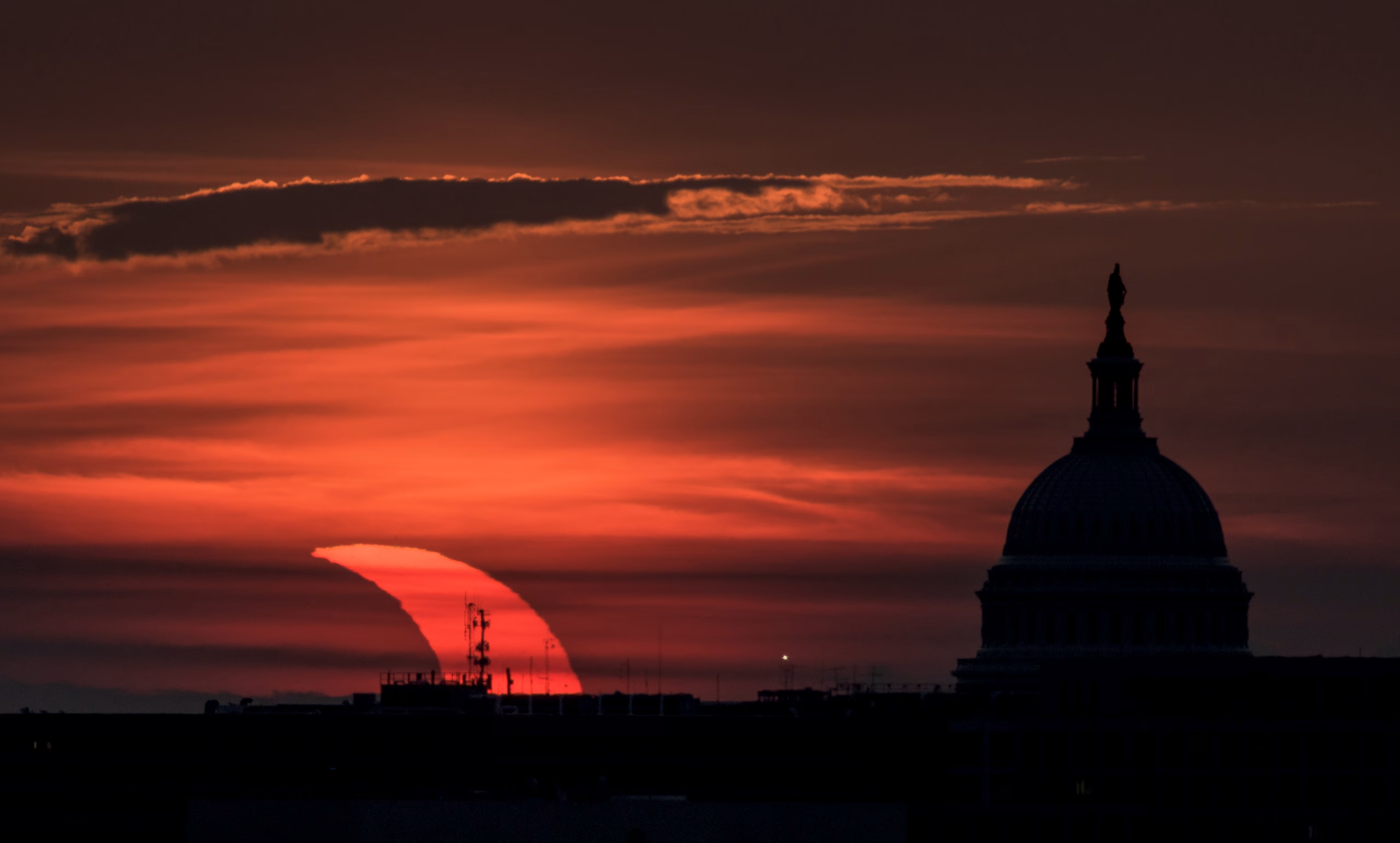
Witness the September 21, 2025 Partial Solar Eclipse: A Celestial Dance Across the Southern Skies
🌒 Witness the September 21, 2025 Partial Solar Eclipse: A Celestial Dance Across the Southern Skies
On September 21, 2025, a partial solar eclipse will grace the skies, captivating observers across select regions of the Southern Hemisphere. This awe-inspiring celestial event, where the moon partially obscures the sun, offers a rare glimpse into the cosmic ballet that has fascinated humanity for millennia.
Where Will the Eclipse Be Visible?
The Partial solar eclipse ’s path will traverse a diverse range of territories, including:
- New Zealand (visible at sunrise on September 22 due to the International Date Line)
- Eastern Australia (especially New South Wales and Tasmania)
- Pacific Islands (Fiji, Samoa, Tonga)
- Parts of Antarctica (including Mario Zucchelli Station and McMurdo)
This geographical spread ensures a wide variety of observers will experience the eclipse, each with a unique perspective.
Partial Solar Eclipse Timings (UTC)
- Start: 17:29:43 UTC
- Maximum Eclipse: 19:41:59 UTC
- End: 21:53:45 UTC
Depending on your location, the degree of sun coverage will vary, with some regions witnessing up to 40% obscuration.
What to Expect During the Eclipse
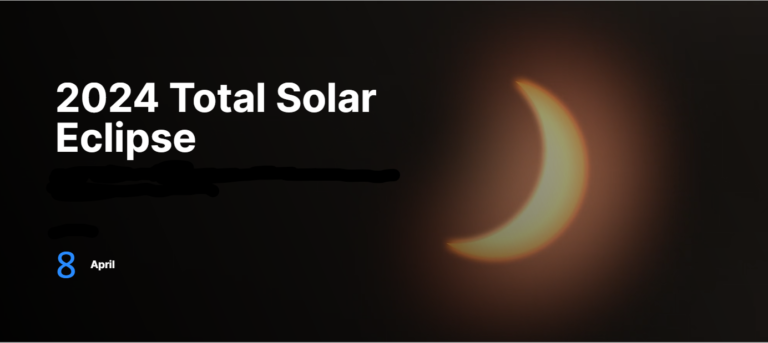
Picture yourself on a quiet beach in Auckland or a scenic lookout in Sydney as the moon slowly moves across the solar disk. The sky dims subtly, the temperature drops, and the sun transforms into a glowing crescent — a partial veil of light that evokes both mystery and wonder.

Unlike a total eclipse, this event won’t plunge the day into darkness, but it will offer a dramatic transformation of the sun’s appearance.
The Science Behind the Eclipse
This eclipse is a result of precise celestial alignment — the moon’s path intersecting the sun’s light from Earth’s perspective. The animation of the eclipse’s peak reveals the curvature of the moon’s trajectory, shaped by Earth’s rotation, showcasing the precision of celestial mechanics.
It also follows a total lunar eclipse that occurred on September 7, 2025, forming part of an eclipse season, where solar and lunar eclipses occur in close succession.
Capturing the Moment: Photography Tips
For photographers and content creators:
- Use a solar filter on your lens
- Capture timelapse sequences
- Include landscapes or silhouettes for dramatic effect
- Try shooting during sunrise in New Zealand for magical lighting
Live Streaming and Online Resources
Can’t travel to a viewing location? No problem! Follow live streams, NASA updates, and interactive eclipse maps online to experience the event virtually and find the best viewing times for your region.
A Shared Cosmic Experience
Approximately 16.6 million people will witness this eclipse — a moment that connects humanity through the shared wonder of the universe. Whether you’re an astronomer, a photographer, or simply a curious soul, this event invites you to pause and reflect on our place in the cosmos.
Mark Your Calendar!
Prepare your gear, check your location’s visibility, and get ready to witness the September 21, 2025 partial solar eclipse — a fleeting embrace of darkness and light under the southern skies.
Safety First: How to Watch the Eclipse Safely
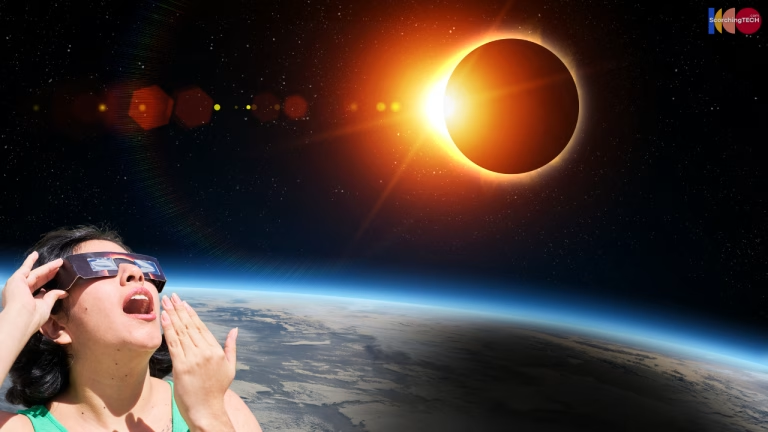
Viewing a solar eclipse requires proper eye protection to avoid serious harm. Use:
- Certified eclipse glasses
- Pinhole projectors
- Solar filters for telescopes or cameras
Never look directly at the sun without protection — even during a partial eclipse.
Watching a solar eclipse safely is crucial, as the sun’s intense rays can cause permanent eye damage. Never look directly at the sun without proper protection, even during an eclipse when the sunlight appears dimmer. Here are some safe ways to enjoy the 2025 partial solar eclipse:
- Eclipse Glasses: Special-purpose solar filters, commonly called eclipse glasses, are the safest and easiest way to view an eclipse. These glasses meet the international standard ISO 12312-2 and block harmful ultraviolet, visible, and infrared radiation.
- Pinhole Projector: This simple, indirect viewing method involves projecting the sun’s image through a small hole onto a surface. It can be easily made using a piece of cardboard with a tiny hole and watching the projection on the ground or a white board.
- Eclipse Projector Box: Similar to the pinhole projector but enclosed, a box projector allows you to safely view the sun’s image through a small opening without risking direct eye exposure.
- Binocular or Telescope Projection: If you have access to binoculars or a telescope, you can project the sun’s image onto a white surface to observe the eclipse. It requires knowledge and care to ensure safe usage.
Remember, regular sunglasses, smoked glass, or unfiltered cameras do not provide adequate protection and should never be used as substitutes.

Photo Credit: (NASA/Mark Knopp)
Looking beyond 2025, the celestial dance continues with several exciting eclipses ahead:
- January 14, 2029: Partial Solar Eclipse
- February 17, 2026: Annular Solar Eclipse
- August 12, 2026: Total Solar Eclipse
Eclipse seasons often bring pairs of eclipses—solar followed by lunar or vice versa—reminding us of the harmonic cycles governing our solar system.
Whether you opt to observe the partial eclipse in 2025 or plan for future events, each eclipse offers a unique window into the workings of the universe and a chance to reflect on the scale and beauty of our cosmic surroundings.